


Few spots left! The 200h Yoga Teacher Training in Gent starts in ... Hurry and grab your Spot Now!
Few spots left! The 200h Yoga Teacher Training in Gent starts in ... Hurry and grab your Spot Now!
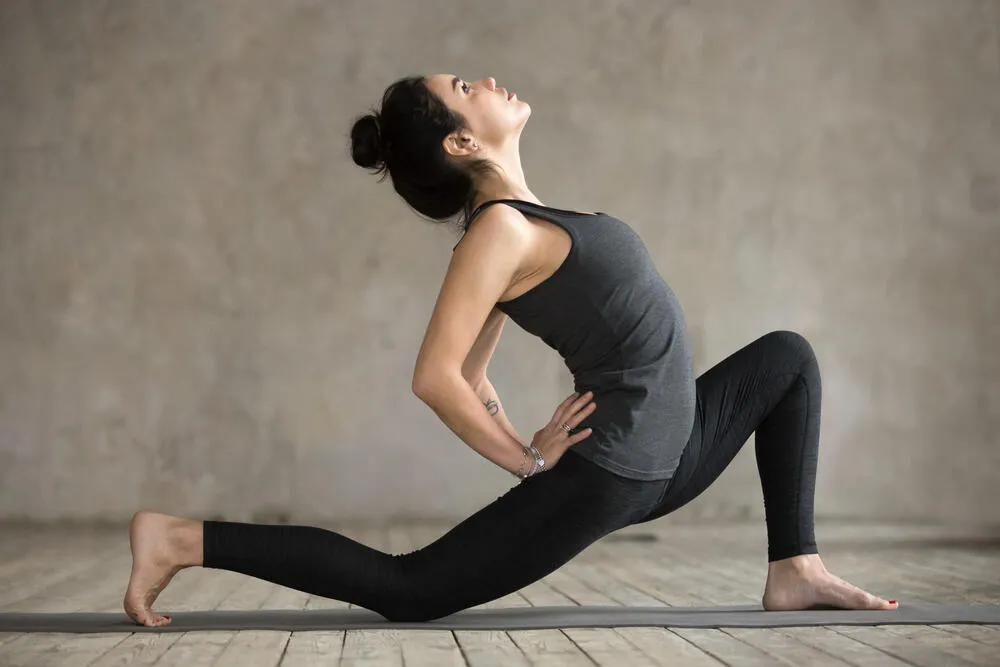
Running, sprinting, cycling, and high-impact sports deliver extraordinary cardiovascular benefits, but their repetitive linear mechanics place extreme physical demands on the lower body. Over time, continuous forward leg movement leads to severe tightness in the hip flexors, restricted hamstrings, locked gluteal muscles, and lower back strain. When hip mobility becomes restricted, your natural stride shortens, forcing surrounding joints to absorb excessive force. This creates muscular imbalances across the kinetic chain and dramatically increases your vulnerability to chronic overuse injuries like IT band syndrome, runner's knee, piriformis syndrome, and plantar fasciitis.
Integrating targeted post-workout recovery into your weekly training regimen is essential to maintaining athletic longevity. Joining structured, professionally guided yoga classes helps systematically restore full range of motion, lengthen fatigued muscular tissue, clear metabolic waste, and rebalance your body's structural alignment. Below is a comprehensive guide to essential postures every runner and athlete should incorporate to keep their hips healthy, resilient, and injury-free.
While stretching at home provides basic maintenance, practicing under the eyes of an experienced instructor ensures proper biomechanical alignment and prevents dangerous compensations. Pushing into cold or severely fatigued muscles without proper form often exacerbates joint strain rather than relieving it. Attending a dedicated yoga studio allows athletes to experience specialized athletic recovery programs, targeted breathwork (pranayama) for nervous system down-regulation, and precise hands-on adjustments tailored to their specific movement patterns.
Furthermore, regular studio practice aids active recovery by shifting the autonomic nervous system out of a high-stress "fight-or-flight" sympathetic state and into a restorative parasympathetic state. This shift significantly accelerates tissue repair, optimizes natural hormone regulation, lowers systemic inflammation, and improves overall sleep quality between intense training days.
To maximize benefits without overtraining, schedule dedicated mobility sessions on active recovery days or immediately following moderate runs. Spending just 20 to 30 minutes flowing through targeted hip-opening sequences keeps muscle fibers pliable, maintains joint spacing, and ensures your kinetic chain operates at peak efficiency during competitive events.
Do not wait for a pull or overuse injury to side-line your physical conditioning. Elevate your athletic capacity and protect your joints by introducing functional movement into your weekly routine. Explore our dynamic range of yoga classes designed specifically for athletic recovery, functional mobility, and core stability. Visit our local yoga studio or view our class schedule online to reserve your mat today.

"Step into your higher journey as a certified yoga teacher."
Join our immersive 200-hour Yoga Alliance certified course. Deepen your practice, master alignment, and step into teaching with confidence.
BOOK YOUR SPOT NOW →


